- Shipping World-Wide

What is an Abaya? 7 Types, Styles & How to Wear One in 2026 | Alabayae

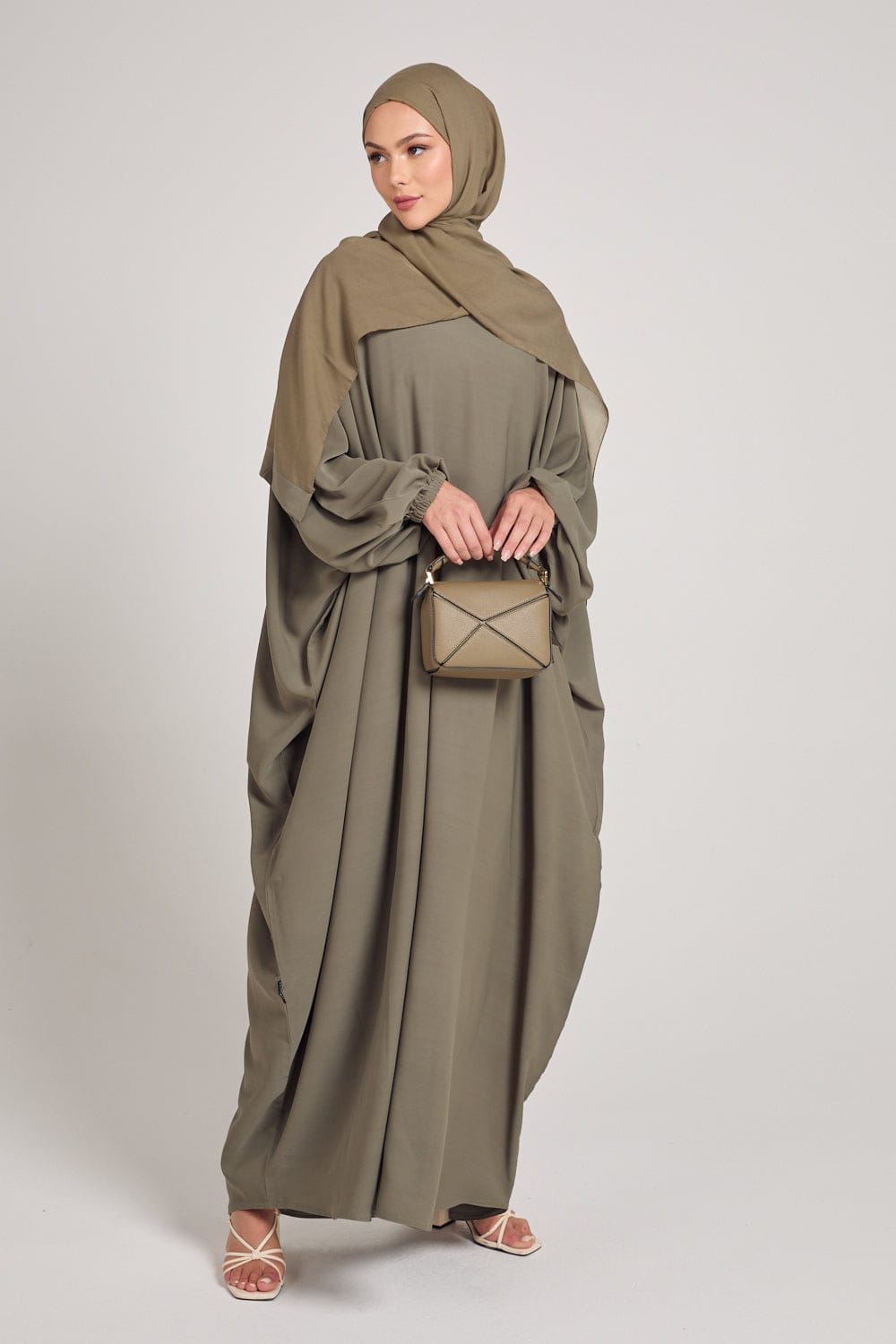
What is an Abaya?
An abaya is a long, loose outer garment worn by Muslim women as a form of modest dress. It covers the body from the shoulders down to the toe, typically with full-length sleeves, making it one of the most recognised forms of Islamic modest clothing in the world. In this post, we will explore what is an abaya and its significance.
While the abaya has deep religious and cultural roots, it has also evolved into a global fashion statement blending tradition with modern design in ways that are both beautiful and meaningful.
In this guide, we’ll cover everything you need to know about what is an abayas, what they look like, where they come from, why they are worn, and the many different styles available today.

What Does an Abaya Look Like?
An abaya is a full-length, flowing garment that covers the body from the shoulders to the ankles. It is loose-fitting by design, allowing ease of movement while maintaining modesty.
Traditional abayas are black, but modern abayas now come in a wide range of colours from soft nudes and forest greens to rich maroon and navy blues.
They are made from a variety of fabrics depending on the occasion and climate. Nida fabric is one of the most popular choices for everyday wear. People prefer to wear this fabric.It is lightweight, wrinkle-resistant, and drapes beautifully. Crepe and chiffon are common for more formal occasions, while velvet abayas are often chosen for winter or special events.
The abaya dress today comes in countless silhouettes structured and tailored or soft and flowing making it as versatile as any other piece of modest clothing.
Where Does an Abaya Come From?
The abaya has its origins in the Arabian Peninsula, where it has been worn for centuries as part of Islamic tradition. Its roots are tied to the Quranic concept of modesty known broadly as hijab which encourages both men and women to dress and behave with humility and dignity.
Historically, the abaya meaning goes beyond just clothing. It represents cultural identity, religious observance, and a sense of belonging especially in Gulf countries like Saudi Arabia, the UAE, Qatar, and Kuwait, where it remains a central part of daily life .Now besides these countries abayas are famous in the Western nations including UK ,USA and Portugal.
Over the past two decades, the abaya has undergone a quiet revolution. What was once a simple, uniform black robe has transformed into an entire fashion category of its own with designers, artisans, and brands around the world putting their creativity into every stitch.
What is an abaya in Islam ?
This is one of the most commonly asked questions and the answer is more layered than most people expect.
For many Muslim women, wearing an abaya is a religious choice rooted in the Islamic principle of modesty. Islam encourages women to cover their bodies in public as an act of worship and self-respect. The abaya fulfills this in a practical, graceful way.
For others, it is a cultural tradition something passed down through generations, tied to family, identity, and community. In Gulf countries especially, the abaya is as natural a part of getting dressed as any other garment.
And for a growing number of women globally, the abaya is simply a fashion choice. The rise of modest fashion has brought the abaya into mainstream style conversations, with women choosing it because they love how it looks and feels not only for religious reasons.
It is also worth noting that not all Muslim women wear abayas. It is a personal decision, shaped by faith, culture, and individual preference. There is no single story.
Types of Abayas
One of the most exciting things about abayas today is the sheer variety of styles available. Here are the most popular types:
Open Abaya An open-front design that is worn over clothing, similar to a long cardigan or duster coat. It is the most versatile style and works well for everyday wear.
Closed Abaya Also called an overhead abaya, this style is pulled over the head and fully covers the outfit underneath. It offers maximum coverage and a clean, streamlined silhouette.
Coat Style Abaya A structured, tailored design with buttons or a belted waist. It gives a more modern, fashion-forward look while maintaining full modesty.
Butterfly Abaya Named for its wide, flowing sleeves that resemble butterfly wings. It is one of the most graceful and sought-after styles, especially for special occasions.
Best Selling Hand Embroidered Abaya Featuring intricate needlework along the cuffs, neckline, or hemline, these abayas are a true art form. Gold and floral embroidery are especially popular.
Kaftan and Jilbab Style Inspired by traditional Gulf and Turkish designs, these styles are looser and more relaxed, often worn at home or for casual occasions.
Abaya vs Hijab vs Jilbab What Is the Difference?
These terms are often confused, so here is a simple breakdown:
Abaya: The full-length outer garment. It covers the body from shoulders to feet.
Hijab : The headscarf. It covers the hair and neck but is a separate item from the abaya entirely.
Jilbab : A loose outer garment similar to the abaya, but the term often includes a matching headpiece. It tends to be slightly more structured.
Niqab : A face veil that covers everything except the eyes. It is worn separately and is not the same as an abaya.
Think of it this way: the abaya vs hijab debate is really just a misunderstanding of terms. The abaya covers the body. The hijab covers the hair. They are often worn together, but they are completely different garments.
Similarly, abaya vs jilbab comes down to regional terminology and style. Both serve the same purpose of modest outer covering but differ in cut and origin.
Modern Abayas Where Tradition Meets Fashion
The modest fashion movement has changed everything. Today, abayas are featured in international fashion weeks, worn by influencers across Instagram and TikTok, and designed by some of the most creative talents in the world.
Modern abayas are not just about covering up, they are about expressing personality, culture, and artistry. Embroidery, stonework, structured tailoring, and unexpected colour palettes have made the abaya one of the most exciting garments in contemporary fashion.
At Alabayae, we design abayas that honour this tradition while embracing modern style. From everyday essentials to hand-embroidered luxury pieces, every abaya in our collection is crafted for women who want to look and feel their best without compromise.
How to Choose the Right Abaya
Choosing the right abaya depends on a few simple things:
Occasion For everyday wear, a lightweight nida or crepe abaya in a relaxed silhouette works best. For Eid, Umrah, or weddings, consider an embroidered or velvet piece that makes a statement.
Fabric Lighter fabrics like chiffon and nida suit warm climates and daily use. Velvet and heavier crepes are ideal for cooler weather or formal events.
Style If you prefer a relaxed fit, an open abaya or butterfly style gives you ease of movement. If you like a more structured look, a coat style abaya is perfect.
Colour Black is timeless and versatile. But don’t be afraid of colour forest green, blush, and navy are just as elegant and increasingly popular.
Browse our full collection of abayas from everyday essentials to designer pieces and find the style that speaks to you.
How to Choose the Right Abaya
Not sure about sizing? Check our abaya size guide for help.
Frequently Asked Questions1.What is the difference between an abaya and a burqa?
An abaya is a full-length body garment that leaves the face uncovered. A burqa is a full-body covering that also covers the face and eyes with a mesh screen. They are distinct garments worn in different regions and for different reasons.
2.Is wearing an abaya mandatory in Islam?
Opinions vary among Islamic scholars. Many countries and communities consider modest dress including the abaya an important part of Islamic practice. However, requirements differ by country, culture, and personal interpretation. In most parts of the world, it is a personal and cultural choice.
3.Can non-Muslims wear an abaya?
Absolutely. The abaya is increasingly worn by non-Muslim women who appreciate its elegance, comfort, and modesty. It is also commonly worn as a cover-up when visiting mosques or travelling in Gulf countries regardless of religion.Also in the Western nations as fashion icons .
4.What is an abaya made of?
Abayas are made from a range of fabrics. The most common are nida, crepe, chiffon, georgette, and velvet. The choice of fabric affects the drape, weight, and occasion-suitability of the garment.
Looking for your perfect abaya?Shop the Alabayae collection worldwide shipping available.